
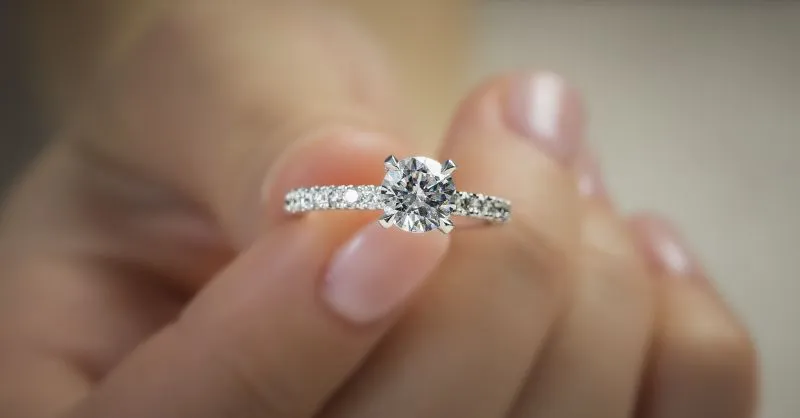
Diamonds have long symbolized luxury, love, and prestige, but in recent years, the emergence of lab diamonds has transformed the way we think about these precious stones. Two terms that frequently come up in this context are lab diamonds HPHT and lab created diamonds. Understanding these terms, their differences, and the technology behind them is essential for anyone interested in purchasing or learning about diamonds.
Traditionally, diamonds were sourced from deep within the Earth, formed over millions of years under extreme heat and pressure. The mining process can be environmentally taxing and ethically complex. In contrast, lab created diamonds offer a sustainable, ethical, and often more affordable alternative, without compromising on beauty or quality. One of the key methods used to produce these diamonds in a laboratory setting is the HPHT (High Pressure High Temperature) process, making lab diamonds HPHT a common term in the industry.
This article will explore the science behind these diamonds, their advantages, and how they compare to naturally mined diamonds, helping buyers and enthusiasts make informed choices.
Table of Contents
What Are Lab-Created Diamonds?
Lab created diamonds are diamonds that are produced in a controlled laboratory environment rather than mined from the Earth. Chemically, physically, and optically, they are identical to natural diamonds. This means a lab-created diamond has the same carbon structure, hardness, brilliance, and fire as a mined diamond.
There are two main techniques to create these diamonds: HPHT (High Pressure High Temperature) and CVD (Chemical Vapor Deposition). While CVD involves depositing carbon atoms layer by layer to grow a diamond, HPHT mimics the natural conditions under which diamonds form deep within the Earth.
Understanding Lab Diamonds HPHT
The term lab diamonds HPHT specifically refers to diamonds created using the High Pressure High Temperature method. This process was first developed in the 1950s but has since been refined to produce gem-quality stones.
The HPHT Process
-
Carbon Source: The process starts with a small diamond seed and a carbon source.
-
Extreme Conditions: The seed is subjected to pressures exceeding 5 GPa (gigapascals) and temperatures over 1,300°C. These conditions are similar to those found in the Earth’s mantle.
-
Diamond Formation: Under these conditions, the carbon melts and crystallizes around the seed, forming a diamond.
-
Polishing and Cutting: Once formed, the diamond is carefully polished and cut to meet gem-quality standards.
The resulting diamond is virtually indistinguishable from a natural diamond without specialized equipment, and its quality can rival or even surpass some mined diamonds.
Advantages of Lab-Created Diamonds
Lab-created diamonds offer several benefits compared to traditional mined diamonds.
1. Ethical Sourcing
One of the main advantages of lab-created diamonds is that they are conflict-free. Unlike some mined diamonds, there is no risk of contributing to human rights violations or environmental degradation.
2. Environmental Impact
Diamond mining can result in deforestation, soil erosion, and significant carbon emissions. In contrast, lab diamonds HPHT are produced in controlled environments with a much smaller ecological footprint.
3. Cost-Effectiveness
Generally, lab-created diamonds are more affordable than their mined counterparts. For the same size and quality, buyers can often save 20–40% when choosing a lab diamond HPHT or CVD diamond.
4. Quality and Customization
Lab-created diamonds allow precise control over size, shape, color, and clarity. The HPHT method can even improve certain diamond colors, creating fancy colored diamonds that are rare in nature.
How Lab Diamonds Compare to Natural Diamonds
While lab-created diamonds are chemically identical to natural diamonds, there are a few differences buyers should be aware of:
-
Origin: Natural diamonds take millions of years to form, while lab diamonds HPHT can be produced in weeks.
-
Price: Lab diamonds are generally less expensive due to lower extraction costs.
-
Sustainability: Lab diamonds are far more eco-friendly, appealing to environmentally conscious consumers.
-
Certification: Both lab and natural diamonds can receive grading reports from organizations like GIA, which confirm the diamond’s quality and characteristics.
Despite these differences, a casual observer often cannot tell the difference between a mined diamond and a lab-created diamond without professional testing.
Popular Uses for Lab Diamonds HPHT
Lab diamonds HPHT are increasingly used in jewelry, including engagement rings, earrings, and necklaces. They are also finding applications in technology, such as high-precision cutting tools, electronics, and even quantum computing, thanks to their hardness and thermal conductivity.
Jewelry
The ability to produce large, flawless diamonds makes lab-created diamonds attractive for luxury jewelry. They can be cut and polished to exact specifications, giving designers more creative freedom.
Industrial Applications
Beyond aesthetics, lab diamonds HPHT are used in industries where durability and precision are crucial. These diamonds are often incorporated into drills, saws, and even high-performance electronics.
How to Buy Lab-Created Diamonds
When purchasing lab-created diamonds, buyers should consider the following:
-
Certification: Ensure the diamond comes with a recognized grading report, confirming it is lab-created and detailing its quality.
-
Cut, Color, Clarity, Carat (4Cs): Lab diamonds are graded using the same 4Cs standards as natural diamonds.
-
Origin Information: Some sellers specify whether the diamond was grown via HPHT or CVD. Knowing this can influence color options and pricing.
-
Reputation of the Seller: Purchase from reputable retailers to ensure quality and ethical practices.
Conclusion
The rise of lab diamonds HPHT and lab-created diamonds represents a major shift in the diamond industry. They provide an ethical, environmentally friendly, and cost-effective alternative to mined diamonds without compromising on quality or beauty. The HPHT method, in particular, showcases the remarkable capability of science to replicate nature’s processes, creating diamonds that are virtually identical to those formed over millions of years.
As consumer awareness grows and technology advances, lab-created diamonds are likely to continue gaining popularity, offering a sustainable and innovative option for jewelry lovers and industry applications alike. For those seeking brilliance, durability, and peace of mind, investing in lab diamonds HPHT or lab-created diamonds is not only a smart choice but also a forward-thinking one.