
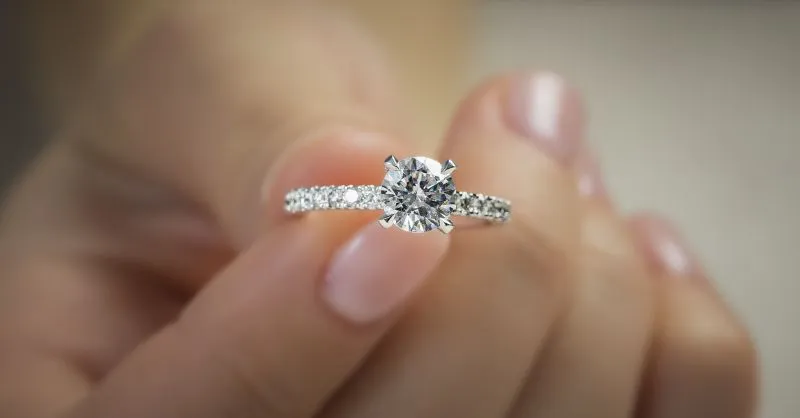
Buying a sparkly rock isn’t just about looks. It’s about a statement, a story, and, okay, maybe a little bragging rights too. But with options like diamond vs moissanites and lab diamonds, it’s easy to feel overwhelmed. Which one gives you the best bang for your buck? And does “lab-grown” really mean it’s any less special?
Table of Contents
Why We’re Obsessed With Sparkle
Think about it: when was the last time a piece of jewellery actually made you stop and stare? Diamonds have been the gold standard—classic, timeless, basically the Beyoncé of gemstones. But let’s face it, traditional diamonds come with a big price tag… and not always a transparent origin story.
Enter moissanites and lab diamonds. Suddenly, you’ve got options that are just as shiny, sometimes even sparklier than traditional diamonds, without emptying your wallet or feeling guilty about the planet. Honestly, the jewelry world is finally catching up to the idea that you don’t have to compromise style for ethics—or vice versa.
Exploring Your Options: Diamond vs Moissanites and Lab Diamonds
Alright, let’s break it down. Here’s the lowdown on each contender:
1. Traditional Diamonds
- The OG sparkle.
- Durable (hardest natural material on Earth).
- Pricey. And yeah, sometimes that price comes with questionable sourcing.
- Perfect if you want that “forever classic” vibe.
2. Moissanites
- You might be surprised—these aren’t diamonds, but they’re insanely sparkly.
- Almost as hard as diamonds (so daily wear? No problem).
- Usually much more affordable.
- Some people say they flash more rainbow colors under light—so if you love a disco ball effect, this is your jam.
3. Lab Diamonds
- Science to the rescue! Grown in a lab, physically and chemically identical to mined diamonds.
- Ethically sound, more budget-friendly, and eco-conscious.
- Often indistinguishable from mined diamonds to the naked eye.
- Perfect for the “I want it all—sparkle, sustainability, and sanity” crowd.
Honestly, picking between diamond vs moissanites and lab diamonds comes down to your priorities: price, ethics, durability, and how much sparkle drama you want.
Why This Trend is Hitting Home
Now, let’s zoom in a bit. Why are so many people leaning toward lab diamonds and moissanites nowadays? A few reasons:
- Ethical concerns: Let’s face it, no one wants a horror story behind their engagement ring. Lab diamonds check that box.
- Affordability: You can get a bigger, shinier stone without selling a kidney.
- Variety: Moissanites and lab diamonds offer cuts and styles that mined diamonds rarely do.
For example, walk into a jewelry store in a city like Hong Kong, Tokyo, or New York—you’ll see rings designed for people who want personality, not just tradition. It’s kind of refreshing. You can finally pick a ring that screams you, not your wallet.
How the Magic Happens
Curious how these sparkly beauties come to life? Let me break it down, step by step—but without turning it into a boring science lecture:
Choosing your stone
-
Pick your fighter: diamond, moissanite, or lab diamond. Think about budget, ethical concerns, and sparkle factor.
Selecting the cut and setting
-
Cuts matter. A round cut sparkles differently than an emerald cut, and moissanites have their own personality.
Customizing
-
This is where you get fun. Engraving, unique settings, mixed metals—go wild.
The reveal
-
Let’s be honest, this part never gets old. Watching someone’s face light up because of your choice of sparkle? Priceless.
The process is surprisingly personal. Even if you pick lab diamonds, it’s still about storytelling—your story.
Wrapping It Up
At the end of the day, whether you’re debating diamond vs moissanites or leaning toward lab diamonds, it’s all about what matters to you. Sparkle isn’t just about light; it’s about meaning. So, go ahead—choose a gem that fits your style, your ethics, and your budget. Because the perfect ring isn’t just shiny. It’s the one that tells your story.